
The landscape of fitness in 2026 in Windermere, FL is a blend of innovative technology and niche training methodologies. While these fads may capture attention with promises of rapid transformation, it is crucial to dissect the science and practicality behind each trend. This article explores three emerging fitness fads of 2026—Hypoxic Training Chambers, AI-Integrated "Bio-Stacking" Supplements, and Gamified Haptic Feedback Suits—analyzing their pros, cons, and why personalized, one-on-one training remains the superior approach for achieving sustainable health.
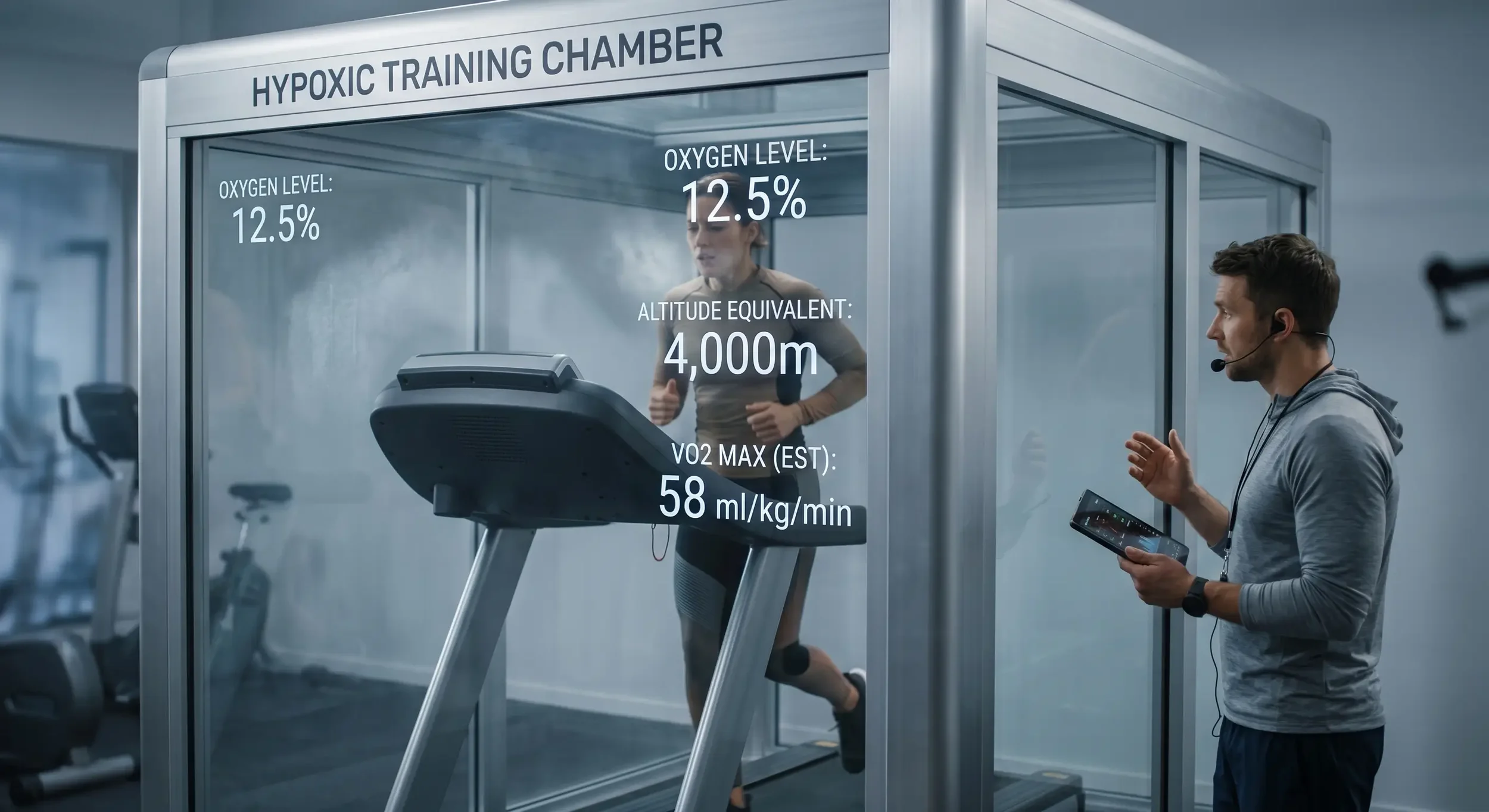
1. Hypoxic Training Chambers
Hypoxic Training Chambers simulate high-altitude conditions, reducing oxygen levels to force the body to adapt to an oxygen-deprived environment. Originally used by elite athletes, this trend has gone mainstream.
Pros:
Enhanced Erythropoietin (EPO): Stimulates the production of red blood cells, potentially improving oxygen-carrying capacity.
Improved VO2 Max: Regular sessions can lead to an increase in maximal oxygen consumption, crucial for endurance performance.
Metabolic Boost: Some studies suggest that hypoxic conditions can increase resting metabolic rate.
Cons:
Safety Risks: Prolonged oxygen deprivation can lead to altitude sickness, dizziness, and other health complications if not monitored correctly.
Cost and Accessibility: Requires specialized equipment and facilities, making it an expensive and often inaccessible option for the general public.
Short-Term Adaptation: The benefits are often temporary and require consistent, high-frequency training to maintain.
Why One-on-One Training in Windermere Is Better:
A personal trainer provides real-time monitoring of your physiological responses, ensuring that hypoxic training is conducted safely and within appropriate limits. More importantly, a trainer focuses on functional, sustainable strength and conditioning that doesn't rely on expensive niche facilities. A tailored program addresses your specific metabolic needs and goals, optimizing VO2 Max and endurance through periodized training plans that produce long-term, verifiable results.

2. AI-Integrated "Bio-Stacking" Supplements
In 2026, supplement regimens are hyper-personalized. AI algorithms analyze your genetic data, gut microbiome, and daily biometrics to recommend a constantly evolving "stack" of nutrients and compounds.
Pros:
Precision Nutrition: Offers a highly individualized approach to supplementation, potentially optimizing nutrient absorption and utilization.
Adapts to Real-Time Needs: Adjusts dosage and ingredients based on daily biometrics, aiming to support recovery, energy, and cognitive function precisely.
Potential for Peak Performance: The goal is to fine-tune the body’s chemistry for optimal function.
Cons:
Regulatory & Ethical Concerns: The "designer supplement" market lacks rigorous regulation. Genetic data privacy and potential long-term effects of complex, unstudied chemical combinations are significant concerns.
Over-Emphasis on Supplements: Can lead to a reliance on pills rather than fundamental lifestyle factors like diet, sleep, and consistent training.
Cost: High monthly subscriptions and genetic testing fees.
Why One-on-One Training in Windermere Is Better:
An elite trainer understands that no amount of AI-recommended supplementation can replace the foundation of proper nutrition, adequate rest, and consistent training. A personal trainer offers personalized, evidence-based nutrition coaching that empowers you to fuel your body with real, wholesome foods. We address behavioral change, stress management, and sleep optimization—the true pillars of health—rather than relying on unverified technological solutions. Sustainable results come from lifestyle mastery, not a constantly changing chemical stack.
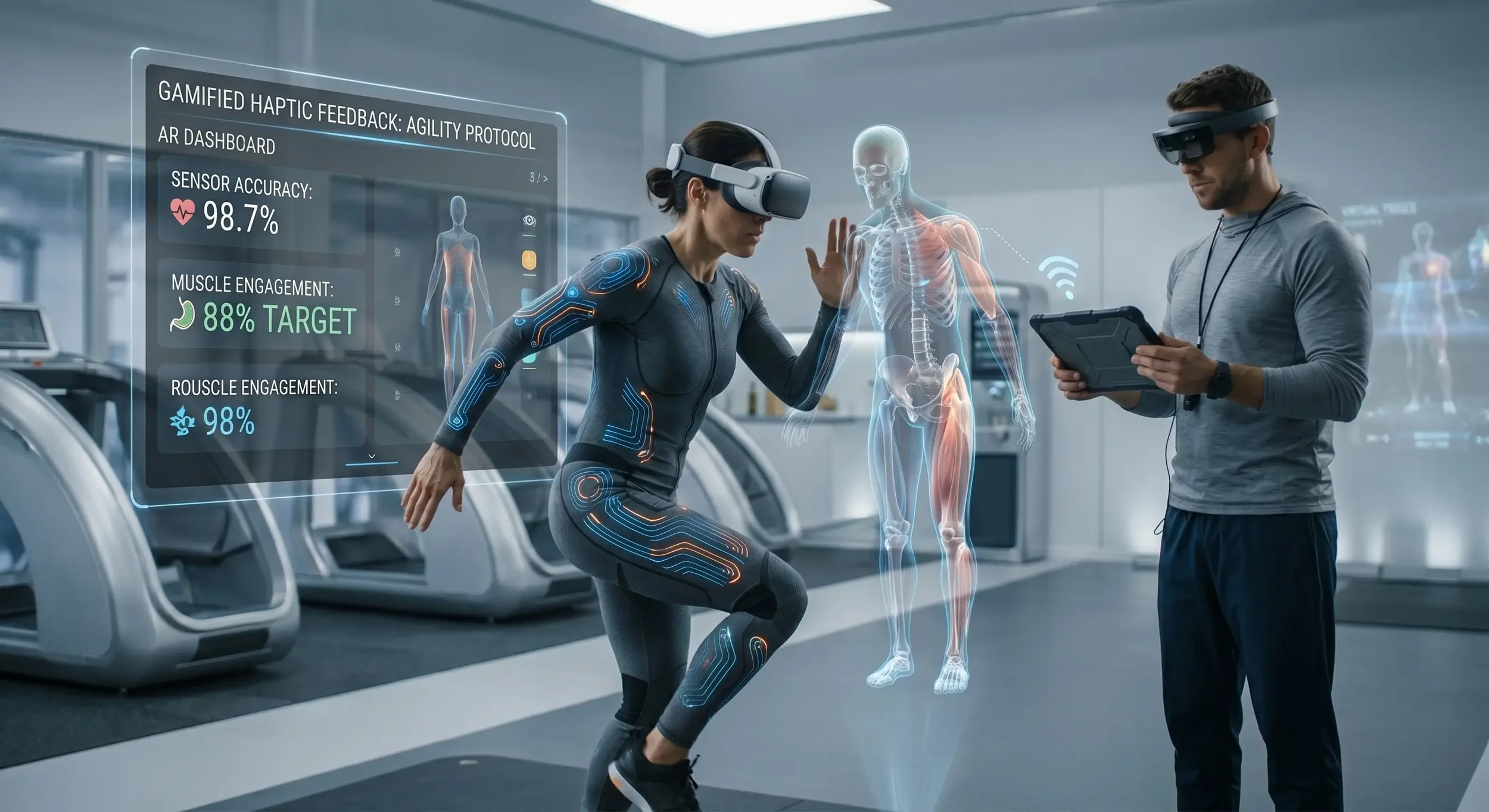
3. Gamified Haptic Feedback Suits
Imagine a full-body compression suit embedded with haptic sensors and actuators. You perform exercises in a Virtual Reality (VR) or Augmented Reality (AR) environment, and the suit provides resistance or vibration (haptic feedback) to guide form, increase challenge, or simulate an activity.
Pros:
Immersive Experience: Makes workouts engaging and potentially more motivating by transforming mundane exercises into interactive games.
Detailed Biometric Tracking: Provides deep data on muscle engagement, balance, and form efficiency that simple wearables cannot.
Targeted Resistance: Allows for variable, electronically controlled resistance that can be highly specific.
Cons:
Cost and Technology Dependability: Requires expensive hardware (the suit, VR headset) and software. The complexity introduces potential for failure.
Limited Compound Movements: Current haptic technology is often best suited for isolated exercises. Simulating the complex physics of heavy, compound lifts is incredibly difficult.
Social Isolation: Can encourage solitary workouts, missing the motivational benefits of social fitness.
Why One-on-One Training in Windermere Is Better:
A gamified suit provides data, not instruction. A personal trainer offers critical, real-time coaching for complex, multi-joint movements like squats and deadlifts—where injury risk is highest, and potential for strength gains is greatest. We provide dynamic feedback, adjustment, and the personal connection that haptic feedback cannot. The focus remains on functional strength that translates to the real world, and the accountability of a human coach is far more motivating than a game's leaderboard.